If you want a place that feels creative, connected, and easy to enjoy day to day, Easthampton deserves a close look. You may be comparing towns across the Pioneer Valley, or you may already know you want a home base with character, trail access, and a lively downtown. This guide will help you understand what Easthampton is really like, what kinds of homes you’ll find, and why so many buyers see long-term appeal here. Let’s dive in.
Why Easthampton Stands Out
Easthampton is a city of just over 16,000 residents in Hampshire County, but it often feels bigger in energy than in size. The city describes itself as an industrial New England village, and that identity shows up in the built environment, the downtown layout, and the way older spaces have been reused.
Instead of large-scale subdivision growth, Easthampton’s momentum is more visible in its public spaces, arts activity, and historic redevelopment. If you like places that feel lived-in and layered rather than newly manufactured, that difference matters.
Downtown Easthampton Has Real Personality
A lot of daily life in Easthampton centers around Main Street, Nashawannuck Pond, and the Cottage Street Cultural District. That gives the city a compact core where local activity feels easy to access and easy to repeat as part of your routine.
You are not looking at a downtown built around one single attraction. You are looking at a setting where the pond, storefronts, arts spaces, and older buildings work together to create a strong sense of place.
Main Street And Nashawannuck Pond
Nashawannuck Pond is one of Easthampton’s defining features. It sits in the downtown business district and acts as a gateway to the Cottage Street Cultural District, which means the water is not tucked away from everyday life. It is part of the city’s visual rhythm.
Nashawannuck Pond Promenade Park adds useful public access with a fishing pier and additional shoreline access. For buyers, that is the kind of amenity that may not show up in a listing headline but can shape how a place feels once you live there.
The Cottage Street Cultural District
The Cottage Street Cultural District is described by the Mass Cultural Council as an eclectic arts-oriented district at the base of Mount Tom with shops, galleries, and nightlife. In practical terms, that means Easthampton offers more than a residential setting. It also offers places to spend time, meet people, and build habits close to home.
If you are relocating from outside the area, this is one reason Easthampton often appeals to buyers who want local activity without losing the smaller-scale feel that defines much of the Pioneer Valley.
Arts Are Part Of Everyday Life
Easthampton’s arts identity is not just branding. It is supported by local infrastructure and programming that have become part of civic life over time.
The city notes that its monthly Art Walk has been part of local life since 2006. Easthampton City Arts focuses on strengthening cultural identity, improving access to the arts, and supporting economic opportunity for artists and cultural establishments.
Historic Buildings With New Purpose
One of the clearest examples is CitySpace’s Old Town Hall project. A historic municipal building now functions as an arts center with performances, exhibitions, and creative space for Western Massachusetts.
That reuse story is important because it mirrors a broader pattern in Easthampton. Older buildings are not just preserved as artifacts. Many are adapted into spaces that support how people live and gather now.
Lofts And Older Homes Shape The Housing Mix
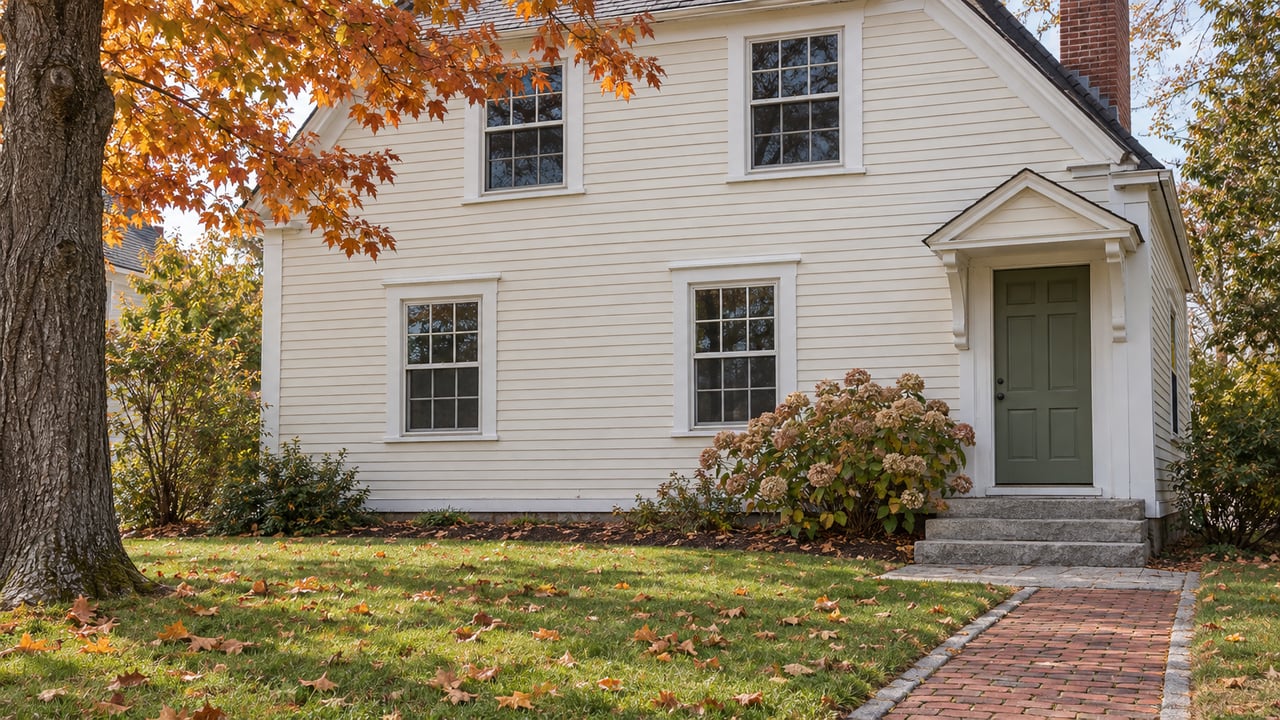
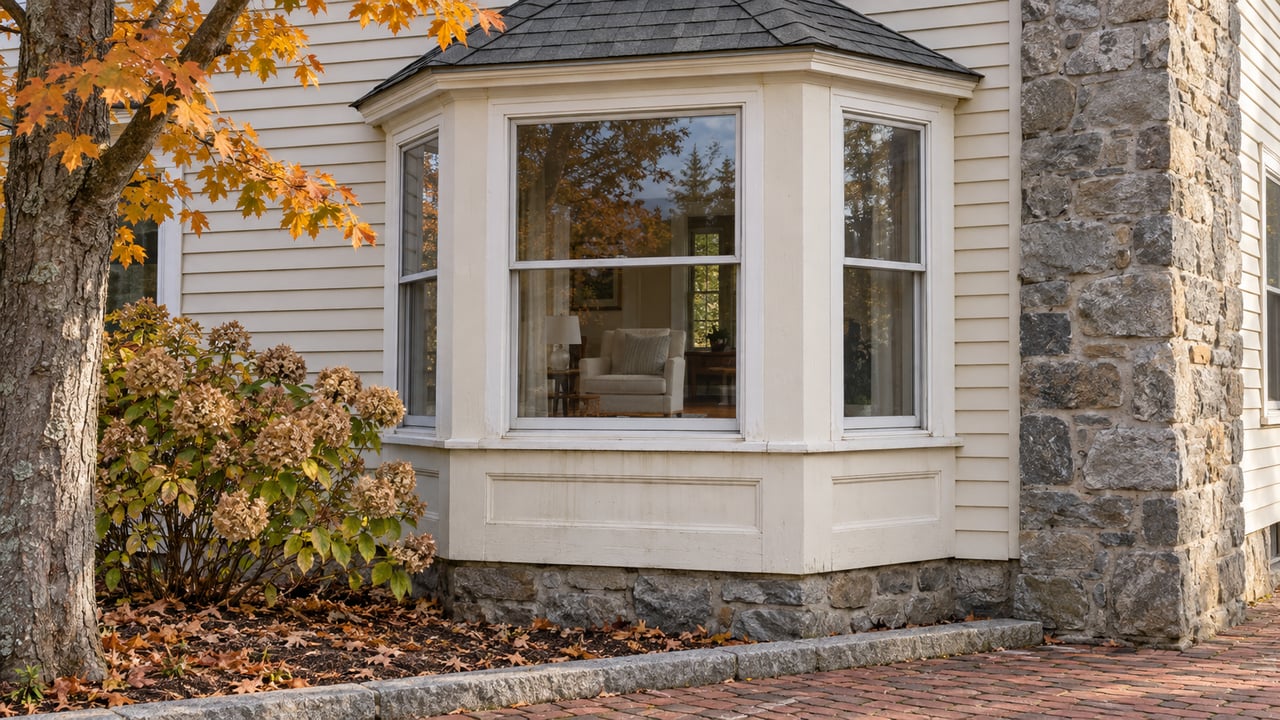
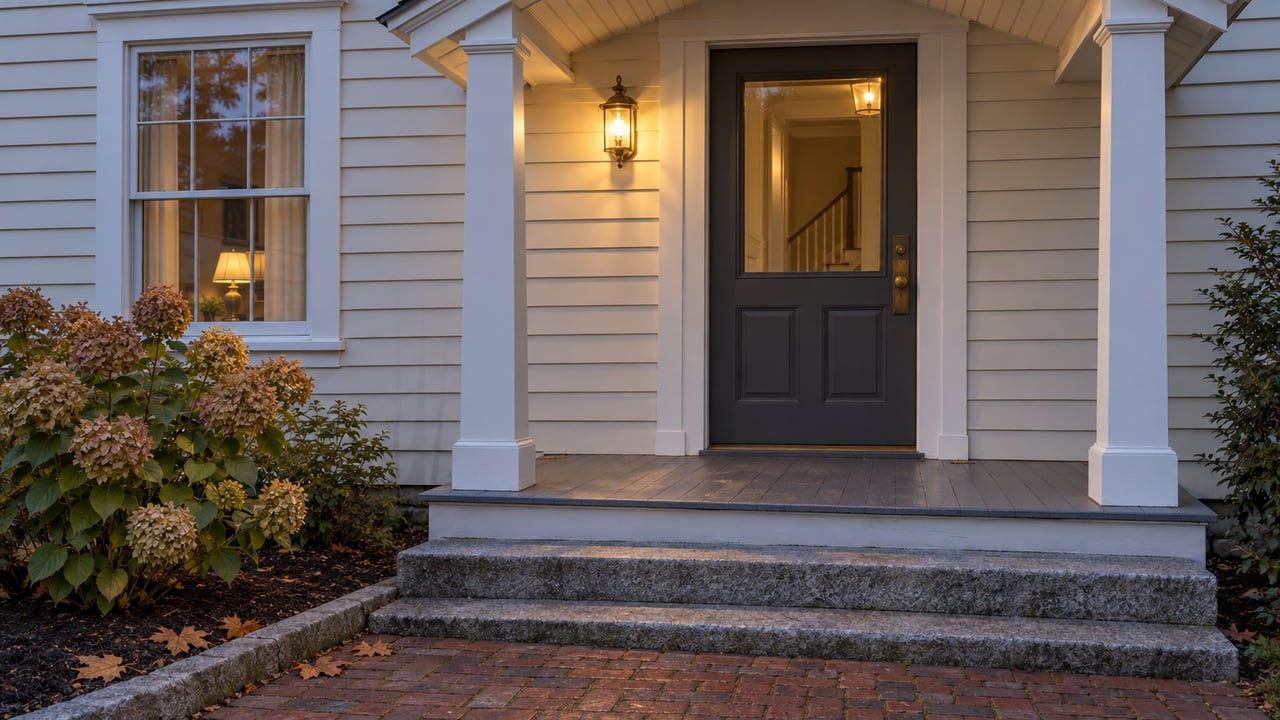
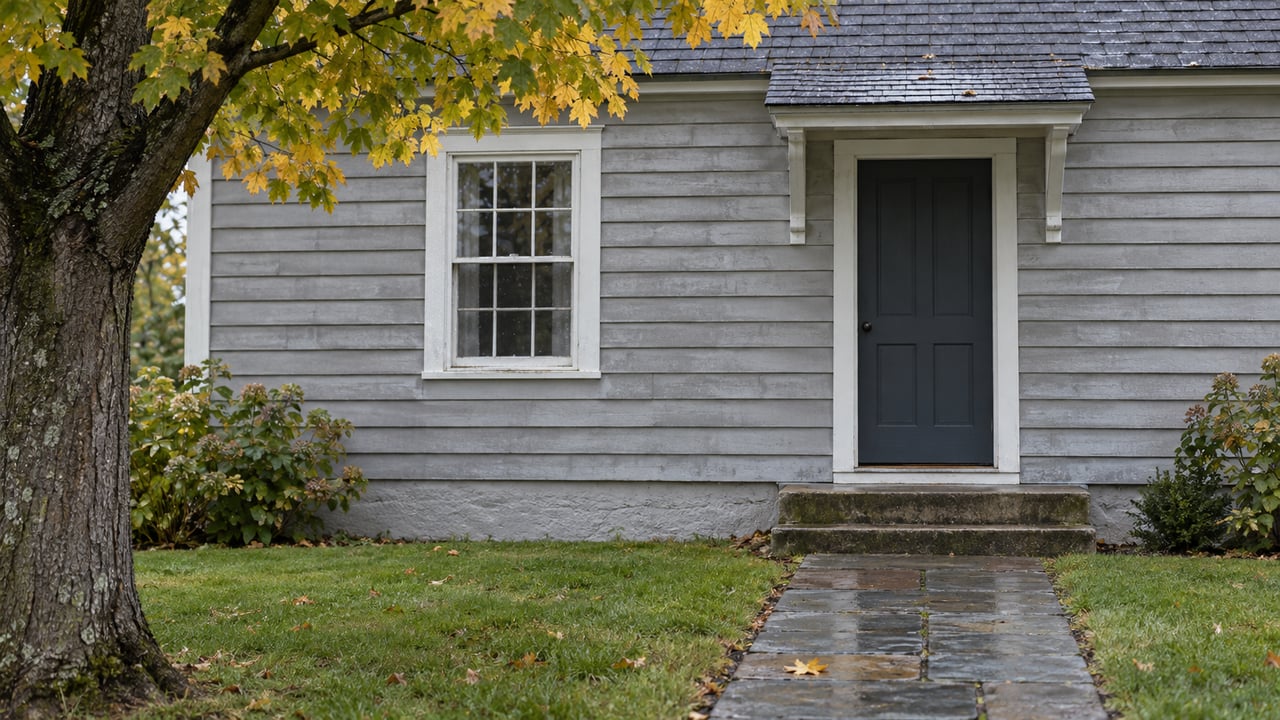
If you are home shopping in Easthampton, you will likely notice quickly that the housing stock is varied. It is not a one-note market, and that can be a real advantage if you want options.
According to 2024 ACS data, Easthampton has 8,197 housing units and 7,642 occupied units, with a 58.4% owner-occupied rate. The city’s draft preservation plan reports a median home value of $371,500 and a median rent of $1,292.
What Types Of Homes You’ll See
The housing mix includes several property types:
- 49.2% detached single-family homes
- 7.3% attached single-family homes
- 13.2% duplexes
- 12.3% three- and four-family buildings
- 17.2% buildings with five or more units
For you as a buyer, that means Easthampton may offer anything from an older detached home to a duplex, small multifamily property, or loft-style unit tied to historic mill reuse.
Why The Mill Story Matters
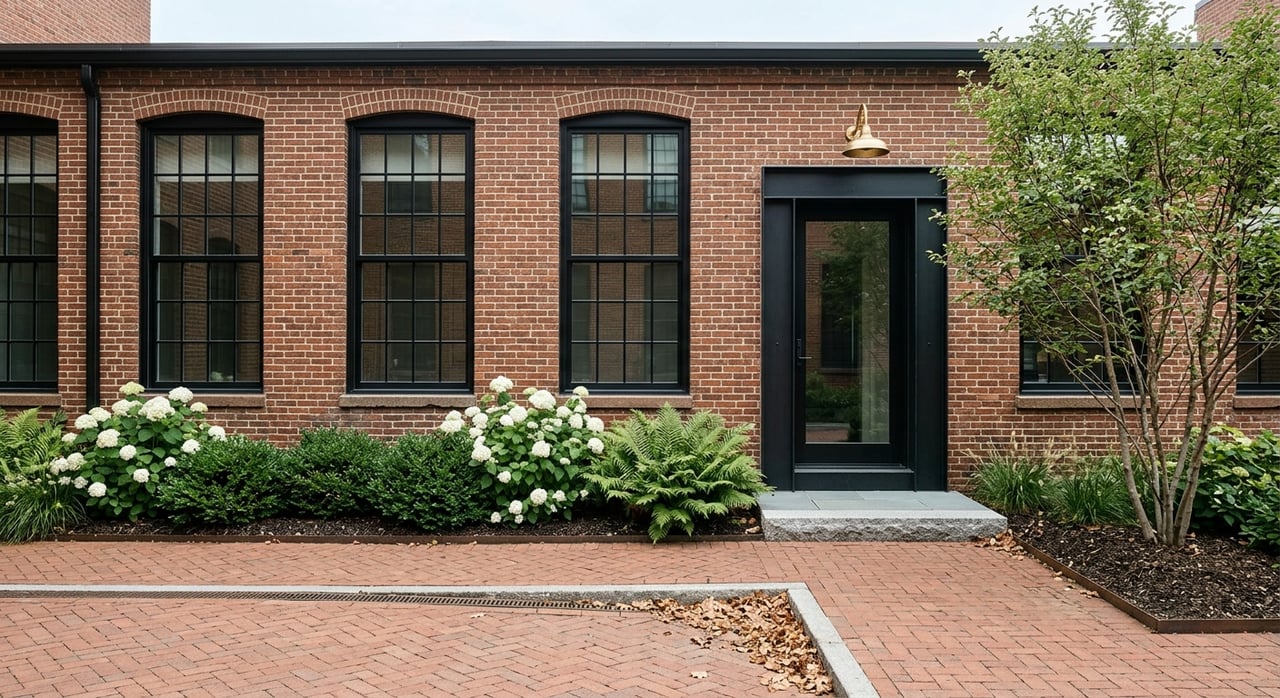
Historic redevelopment is a major part of Easthampton’s housing identity. The city’s Pleasant Street Mills District Improvement Plan says Eastworks was the first mill building to introduce upper-floor housing units in 1997, and the city continues planning improvements that support further use of vacant mill space.
The city’s 2026 draft preservation plan also notes more than 700 inventoried historic buildings, including the Main Street Historic District and the Nashawannuck Mills Historic District. That helps explain why Easthampton often feels architecturally layered and visually distinct from more uniform markets.
New Housing Has Been Added Carefully
Between 2018 and 2024, 197 new housing units were built in Easthampton. Most of that new supply was in buildings with five or more units.
That pattern reinforces what many buyers notice on the ground. Easthampton is evolving, but much of that change is happening through infill, reuse, and compact development rather than broad outward expansion.
Trails And Outdoor Access Are A Daily Perk
For many buyers, lifestyle is not just about the home itself. It is also about what is easy to do before work, after dinner, or on a weekend without much planning.
Easthampton performs well here because trails and mountain access are woven into daily life. You do not have to leave town to enjoy meaningful outdoor amenities.
Manhan Rail Trail
The Manhan Rail Trail is one of Easthampton’s most important everyday assets. The city’s Parks and Recreation Department lists it among the city’s core facilities, and the trail organization describes it as a six-mile paved recreational path through Easthampton that connects to other regional trail networks.
If you value walking, biking, or simply having a scenic route close by, this can become part of your routine very quickly. It is the sort of amenity that supports both recreation and a stronger sense of connection to place.
Mount Tom Access
Mount Tom North Trailhead Park, which opened in September 2022, adds another strong outdoor feature. It includes a 2,000-foot accessible crushed-stone trail, six level rest areas, and valley views, with access at the top to the New England Scenic Trail.
For buyers comparing towns, this helps Easthampton stand out. You get a downtown-centered city with arts and historic character, but you also get convenient access to landscapes that feel distinctly western Massachusetts.
Easthampton Works Well Within The Pioneer Valley
Easthampton makes the most sense when you view it as part of the broader Pioneer Valley. It is not isolated, and that regional context is a big reason it attracts buyers with different needs.
The Pioneer Valley Planning Commission says the region includes 43 cities and towns in Hampden and Hampshire counties. UMass Amherst describes the broader Pioneer Valley as a three-county region connecting Amherst, Northampton, Easthampton, and other arts communities.
A Good Fit For Regional Commuting
That network matters if you work, study, or spend time across nearby towns. Easthampton sits near college-town employment, cultural venues, and outdoor recreation, which gives it broad appeal for both local movers and relocation buyers.
Transit also supports that role. PVTA serves Easthampton, and Route R41 links Northampton, Easthampton, Holyoke Community College, and Holyoke Mall. The Census Bureau’s latest QuickFacts profile places the city’s mean travel time to work at 22.3 minutes.
What Easthampton May Feel Like For You
If you are deciding whether Easthampton fits your lifestyle, the answer often comes down to priorities. This is a strong option if you want housing variety, a recognizable downtown, outdoor access, and a sense that older buildings and civic spaces still matter.
It may be especially appealing if you like the idea of living in a place where creative energy is visible in everyday life, not just on special occasions. The city’s combination of loft-style spaces, older homes, trail access, and pond-centered downtown activity gives it a feel that is hard to duplicate.
What Buyers Should Keep In Mind
Easthampton’s appeal also means it helps to shop with a clear strategy. Because the housing stock is mixed, your search may involve comparing very different property types, from detached homes to duplexes to converted mill spaces.
That is where local guidance becomes especially useful. Understanding how one block, building type, or location tradeoff fits your goals can make the search feel much more manageable.
If you are thinking about buying or selling in Easthampton, working with a team that knows the Pioneer Valley can help you move with more confidence. Stacy Ashton offers practical local guidance, thoughtful strategy, and experienced support to help you make sense of your options.
FAQs
What is Easthampton, Massachusetts known for?
- Easthampton is known for its downtown centered around Main Street and Nashawannuck Pond, its Cottage Street Cultural District, its arts programming, and its reuse of historic mill and civic buildings.
What kinds of homes can you find in Easthampton, Massachusetts?
- Easthampton has a mixed housing stock that includes detached single-family homes, attached homes, duplexes, small multifamily properties, and larger buildings including loft-style housing tied to mill redevelopment.
Does Easthampton, Massachusetts have good trail access?
- Yes. Easthampton includes the six-mile paved Manhan Rail Trail and access to Mount Tom North Trailhead Park, which features an accessible crushed-stone trail, rest areas, and valley views.
Is Easthampton, Massachusetts connected to other Pioneer Valley towns?
- Yes. Easthampton is part of the broader Pioneer Valley network and has regional access through PVTA service, including Route R41 connecting Easthampton with Northampton, Holyoke Community College, and Holyoke Mall.
What is daily life like in Easthampton, Massachusetts?
- Daily life in Easthampton often revolves around a compact downtown, Nashawannuck Pond, arts and cultural spaces, and easy access to trails and regional destinations across the Pioneer Valley.